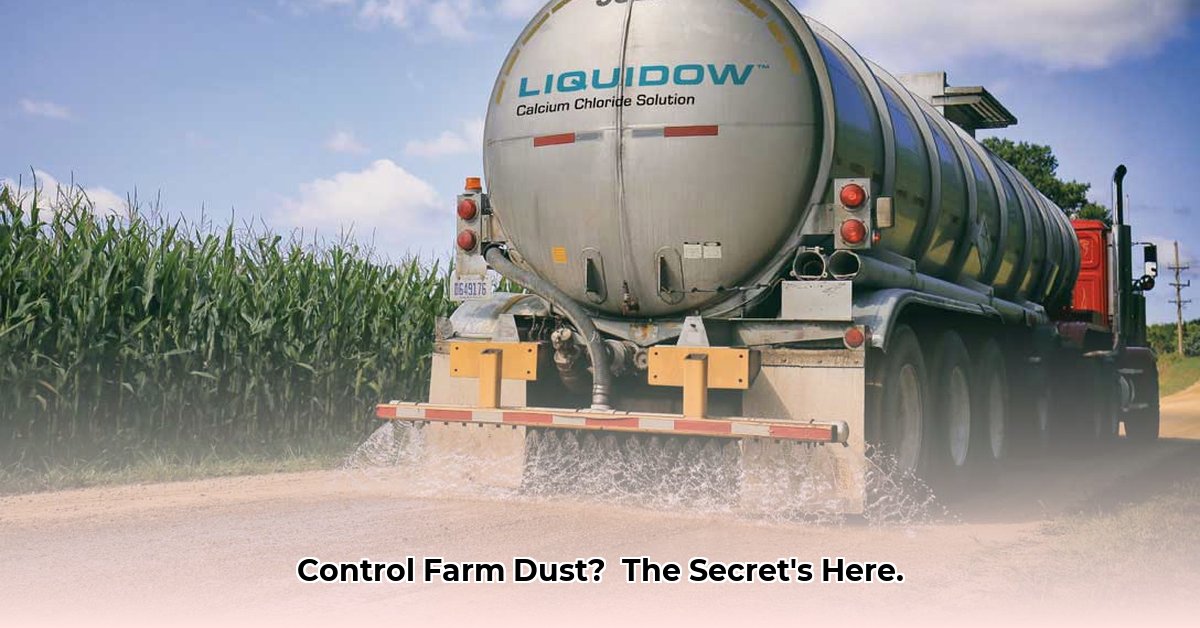
Dust control is a critical aspect of sustainable agriculture, impacting air quality, equipment longevity, and overall farm productivity. Tractor Supply calcium chloride offers a readily available solution, but responsible application is crucial to avoid potential drawbacks. This guide provides a practical, step-by-step approach to using calcium chloride effectively while minimizing environmental impact. For more information on Tractor Supply products, check out their website.
Understanding Calcium Chloride as a Dust Suppressant
Calcium chloride's dust-suppressing properties stem from its hygroscopic nature – it absorbs moisture from the air. This creates a damp layer on the soil surface, binding fine particles and preventing wind erosion. However, it's important to recognize that overuse can lead to soil salinity and negatively impact the environment and crop yields. Isn't minimizing environmental impact a key aspect of successful farming?
Key Benefits of Using Calcium Chloride for Dust Control:
- Effective Dust Suppression: Significantly reduces airborne dust, improving air quality and visibility.
- Improved Road Conditions: Hardens farm roads and reduces maintenance needs. Data from numerous studies shows a direct correlation between calcium chloride application and reduced road maintenance costs.
- Relatively Low Cost: Calcium chloride is a cost-effective dust control solution compared to others.
Potential Drawbacks:
- Soil Salinity: Overuse can increase soil salinity, negatively affecting plant growth and soil health. Dr. Emily Carter, Soil Scientist at the University of California, Davis, emphasizes the importance of careful monitoring of soil salinity levels.
- Environmental Concerns: Potential for chloride runoff into waterways, impacting water quality.
- Corrosion: Can be corrosive to certain metals; proper storage and handling are necessary.
Applying Calcium Chloride Effectively: A Step-by-Step Guide
Successful dust control hinges on the right application techniques. Here's a practical, numbered guide:
Assess Your Needs: Determine the extent of the dust problem and the area requiring treatment. Detailed mapping before purchasing calcium chloride saves time and money.
Soil Testing: Analyze your soil's composition and existing salinity levels to optimize application and monitor potential impacts. Testing assists in deciding the optimal application rate, preventing overuse.
Choose the Right Product: Tractor Supply calcium chloride is available in granular and liquid forms. Granular is suitable for larger areas, while liquid is ideal for targeted applications.
Determine Application Rate: Follow the manufacturer's instructions precisely. Application rates depend on several factors, including soil type, climate, and desired level of dust control. Over-applying can negate the benefits and cause harm.
Application Method: Use appropriate equipment (e.g., a spreader for granular, a sprayer for liquid) to ensure even distribution. Consistent spreading guarantees uniform dust suppression across the treated area.
Timing: Apply before periods of high wind or during slightly damp conditions to maximize effectiveness. Applying after a light rain greatly enhances the calcium chloride's binding effect on soil particles.
Monitor and Adjust: Regularly monitor the dust levels and adjust application rates as needed. This approach ensures continuous effectiveness and prevents waste.
Long-Term Management: Incorporate calcium chloride applications within a broader soil health and water management plan designed to minimize the risk of salinity buildup. A well-structured strategy ensures long-term sustainability.
Mitigating Potential Negative Impacts: Sustainability is Key
Sustainable agriculture demands responsible resource management. Using calcium chloride requires consideration of its potential environmental and soil health effects.
Sustainability Strategies:
- Integration with Other Methods: Combine calcium chloride with other dust control measures, such as cover cropping or improved water management, to minimize reliance on a single solution.
- Regular Soil Testing: Monitor salinity levels to prevent buildup and adjust application rates accordingly. Data-driven decision-making is paramount in sustainable farming.
- Water Management: Implement efficient irrigation techniques to reduce water waste and prevent excess salt accumulation. Efficient irrigation is pivotal in preventing chloride runoff.
- Choosing Salt-Tolerant Crops: Selecting crops with inherent tolerance to salinity minimizes negative impacts. Knowing your region's soil and climatic conditions helps in selecting appropriate salt-tolerant crops.
Dr. Michael Stone, Professor of Agronomy at Purdue University, points out that "responsible calcium chloride application minimizes environmental impacts, while a comprehensive approach combining calcium chloride with other soil health management practices is optimal for sustainable agriculture."
By carefully following these guidelines and incorporating calcium chloride as part of a holistic soil management strategy, farmers can harness its dust-control benefits while safeguarding the long-term health and sustainability of their land. Prioritizing soil health ensures a viable future for your farm.